What is Dubstep?
Dubstep is s a new somewhat new genre – evolving from electronic dance music, it originated from South East London and takes its roots from ‘Jamaican dub music’ (sound system cultures), concentrating on the emphasis of bass frequencies and its own aesthetics and a unique mode of consumption.
Dubstep is frequently described as, "tightly coiled productions with overwhelming bass lines and reverberant drum patterns, clipped samples, and occasional vocals”, and dates back to the early 90’s.
Dubstep is generally instrumental, Similar to a vocal garage hybrid - grime - the genre's feel is commonly dark; tracks frequently use a minor key and can feature dissonant harmonies such as the tritone interval within a riff. Other distinguishing features often found are the use of samples, a propulsive, sparse rhythm,[9] and an almost omnipresent sub-bass. Some dubstep artists have also incorporated a variety of outside influences, from dub-influenced techno such as Basic Channel to classical music or heavy metal
The earliest dubstep releases date back to 1998 and were darker, more experimental, instrumental dub remixes of 2-step garage tracks attempting to incorporate the funky elements of breakbeat, or the dark elements of drum and bass into 2-step, which featured B-sides of single releases. In 2001, this and other strains of dark garage music began to be showcased and promoted at London's night club Forward (sometimes also referred to as FWD>>), which went on to be considerably influential to the development of dubstep.
Throughout the first years of its development, the musical current was given many aliases by underground music aficionados, being firstly referred to as "dark" or "darker" garage.[citation needed] The term "dubstep" in reference to a genre of music began to be used by around 2002, by which time stylistic trends used in creating these remixes started to become more noticeable and distinct from 2-step and grime.
Dubstep started to spread beyond small local scenes in late 2005 and early 2006; many websites devoted to the genre appeared on the internet and thus aided the growth of the scene, such as dubstepforum, the download site Barefiles and blogs such as gutterbreakz.[3] Simultaneously, the genre was receiving extensive coverage in music magazines such as The Wire and online publications such as Pitchfork Media, with a regular feature entitled The Month In: Grime/Dubstep. Interest in dubstep grew significantly after BBC Radio 1 DJ Mary Anne Hobbs started championing the genre, beginning with a show devoted to it (entitled "Dubstep Warz") in January 2006
Some sections quoted from wikipedia - http://en.wikipedia.org/wiki/Dubstep
A short dubstep documentary
Showing posts with label Janay Hirani. Show all posts
Showing posts with label Janay Hirani. Show all posts
Tuesday, 26 April 2011

Print product research
When initially building up ideas to put towards the final print product work, I decided to explore the work of other UK (mainly commercial) – who would appeal to the masses.
I primarily researched album covers and billboards/posters and noted the type of font/positioning and the colours used.
When comparing and contrasting them with UK artists, I found that many of them are able to convey a much cleaner cut vibe, with the cover usually consisting of a close-up or full body shot of the artist, bringing life to the expression – “less is more”.


The artists included; Professor Green – A new urban rap sensation, Katy B – The only female who has really broken through into the heavily male dominated dubstep genre , Example – A new breakthrough artist (rap and rave genre), and Chipmunk – Another young urban rap artist.
When initially building up ideas to put towards the final print product work, I decided to explore the work of other UK (mainly commercial) – who would appeal to the masses.
I primarily researched album covers and billboards/posters and noted the type of font/positioning and the colours used.
When comparing and contrasting them with UK artists, I found that many of them are able to convey a much cleaner cut vibe, with the cover usually consisting of a close-up or full body shot of the artist, bringing life to the expression – “less is more”.


The artists included; Professor Green – A new urban rap sensation, Katy B – The only female who has really broken through into the heavily male dominated dubstep genre , Example – A new breakthrough artist (rap and rave genre), and Chipmunk – Another young urban rap artist.
Analysis of print product sketches
As the more creatively inclined member of the group, I was able to gather my previous research on album covers and posters and include them in my idea explorations, I took 3 major points into account when brainstorming ideas –
1)the artist should be in full view at all times
2)the use of props is acceptable, but the use of too many may distract away from the artist themselves
3)Always use a simple/plain location which links to the artist/ the song you are promoting.
When dealing with the font, the editor and I looked at various types on the website dafont.com - http://www.dafont.com/
Again taking into consideration the mood of the song and the personality of the artist we were torn between s sleek and sophisticated font and a harsh, bold font.
In the end we opted for the bolder font, although my sketches show which sophisticated type font was still in the running.
My first sketch did not include the artist, but the performer; she was sitting at the bus top in a derelict area all alone with a cigarette and alcohol, we decided against using this for our final product as it just seemed like a still from the actual video and obviously did not feature the artist who is supposed to be the main feature.
My second sketch consisted of a BCU of the artist, only showing the lower part of her face, and she had a cigarette in her mouth, the reason we were unable to use this is because we cannot identify who the person on the poster is, and it glamorises smoking, something which is deeply frowned upon in the UK.
In my third sketch, we can again see the artist smoking, but this time we are fully able to see her face – using a mid-shot, we decided against using this as it again glamorises smoking and we didn’t feel it was fully able to capture the true essence of the music video.
My fourth and final sketch was the most popular amongst the group and our peers, it consists of both the performer and the artist – the performer is taking quite a menacing pose, using her finger to shush almost as though she is hiding from the performer, And the performer remains non the wiser on the other side of the page, alone with her narcotics for company.
We chose to use many ideas from my last sketch such as – the simple background, the a full length shot of the performer standing to one side of the picture, minimal props and large font to properly indicate who the artist is and what the song was called.
As the more creatively inclined member of the group, I was able to gather my previous research on album covers and posters and include them in my idea explorations, I took 3 major points into account when brainstorming ideas –
1)the artist should be in full view at all times
2)the use of props is acceptable, but the use of too many may distract away from the artist themselves
3)Always use a simple/plain location which links to the artist/ the song you are promoting.
When dealing with the font, the editor and I looked at various types on the website dafont.com - http://www.dafont.com/
Again taking into consideration the mood of the song and the personality of the artist we were torn between s sleek and sophisticated font and a harsh, bold font.
In the end we opted for the bolder font, although my sketches show which sophisticated type font was still in the running.
My first sketch did not include the artist, but the performer; she was sitting at the bus top in a derelict area all alone with a cigarette and alcohol, we decided against using this for our final product as it just seemed like a still from the actual video and obviously did not feature the artist who is supposed to be the main feature.
My second sketch consisted of a BCU of the artist, only showing the lower part of her face, and she had a cigarette in her mouth, the reason we were unable to use this is because we cannot identify who the person on the poster is, and it glamorises smoking, something which is deeply frowned upon in the UK.
In my third sketch, we can again see the artist smoking, but this time we are fully able to see her face – using a mid-shot, we decided against using this as it again glamorises smoking and we didn’t feel it was fully able to capture the true essence of the music video.
My fourth and final sketch was the most popular amongst the group and our peers, it consists of both the performer and the artist – the performer is taking quite a menacing pose, using her finger to shush almost as though she is hiding from the performer, And the performer remains non the wiser on the other side of the page, alone with her narcotics for company.
We chose to use many ideas from my last sketch such as – the simple background, the a full length shot of the performer standing to one side of the picture, minimal props and large font to properly indicate who the artist is and what the song was called.
Sunday, 10 April 2011
Wednesday, 6 April 2011


Friday, 4 February 2011
Research Findings
Research Findings Through the various reseach we had collected, we have found the following; The type of music videos the general public tend to prefer is visual art, The second most popular choice was a narrative based video. This lays the foundation for what I have to design to make a music video that the general public would like. Another factor for me to consider is that our results also showed that, the location of the video does not matter that much to the viewer. This could indicate maybe of the majority of the population finds artistic visuals a more of a deciding factor to engage the viewers. For my music video I’m thinking of including a realist, non linier narrative. This is because relationships are a real life event that occurs in everyone’s life which makes it real. The non linier narrative allows the viewer to see what happened in the past and how it’s affecting the couple in the future. http://http://en.wikipedia.org/wiki/Visual_arts http://http://www.esfmedia.com/page/Narrative+theory
Final Idea
Through gathering various research and information from our chosen music genre, we found that that people most enjoy aspects of exterior locations and rave scenes when imagining a Dubstep music video. We discovered that our target audience found narratives, concept and visual art most appealing and worth watching because they were interested in fresh, innovative ideas. Instead of sticking to the typical genre codes and conventions of being ‘normal’ and ‘mainstream correct’ music video, we decided to take on fairly strong themes towards this Dubstep music video. Our group has chosen to take certain aspects from each person’s proposal and use them to develop a video that centres around the theme of Janay’s proposal about the young girl battling a drug addiction.
The video will start off with low angle shots, showing a girl in her late teens/early 20s whose name is brooke, coming in from a night out, she enters her bedroom (a posh hotel room) looking rough and haggard, implying that she’s had a serious night out in the city. As she walks into the room, she drops her high-heels on to the floor and walks into the bathroom. She starts to vomit up blood and then proceeds to undress and run a bath. Whilst the bath is running, she comes back into the bedroom and winds up a ballerina jewellery box. As she opens the box to reveal its contents, we see that it’s an array of drugs: cocaine, marijuana, heroin and pills. We also see a large roll of money, which indicates to us that she is very rich, or perhaps work of ‘cash in hand’ like drug smuggling or prostitution. She takes a few pills and snorts a line cocaine. She wipes the remains of cocaine off her nose and lies back on the bed, where she starts to think about the night’s events.
As she slips into a dream like state, we see the beginning of the night’s events unfolding. To indicate that this is a flashback, there will be shot of a clock but played in reverse. She is firstly seen sitting alone on in a cab that is heading into Central London. She steps out of the taxi, pays the fair and walks up through a main road with smoke behind her (referencing the 80’s movie’ Taxi’).
We start to see Brooke walking through the West End and she eventually meets up with two of her friends. They start to look out for a nightclub to go into. While this is happening, we also see shots of people ready to party, nightclubs and traffic connotating the West End’s vibrant nightlife. Every club they go to has a very long queue. The group eventually join one but leave as they are fed up of the queue taking too long and they are very cold. They decide to just buy their own alcohol from an off-licence so they can just get drunk and roam around the West End to have a goodtime. As they are in the middle of drinking, there is a moment where Brooke zones out in her mind and becomes unfocused of what is going on around her. Her friends ask her if she is okay and she pulls out of bag of cocaine from her handbag. Her friends are not willing to take them and get into an argument with Brooke as she is already in a bad state but she is prepared to make herself worse. She becomes very frustrated and tells her friends to “piss off”. We then see the group splitting apart with the camera being on the otherside of the road.
Brooke walks into a dark corner, sprinkles and snorts up a line of cocaine. When she walks back to the main road in her disorientated and drugged up state, she seems to be looking for something, but the audience does not know what it is. She look around a few corners, but only finds people that she doesn’t know doing random/unrelated actions such as; gambling, vomiting and kissing. She also sees a tramp sitting by a corner as well as a hooker looking for customers.
Pre-occupied by all this she accidentally bumps into a man. He helps her up and blows smoke into her face with a grin on his face. As the smoke clears we see that he is an ex-boyfriend who she was previously in an abusive relationship with. He grips her hand and doesn’t let go. She struggles to get of him but finally escapes by pushing him back. As she breaks free she starts running frantically and trips over. Her tights rip and she beings to cry. He goes towards her to help her up and offers her some of his drugs. Her state of loneliness makes her affections draw back to him and they begin to talk to each other.
They eventually walk reach a park bench where they sit down. She takes out a bottle of vodka from her bag and forces the drink down her throat and offers some to him, but he declines. She then takes her shoes off and twirls around on the grass to relish her mind-state. The ex-boyfriend takes out a roll-up of marijuana, lights it up and shares it with Brooke. After this, while taking of her jacket, she starts to realise that her ex-boyfriend could be up to something bad and has a flashback of her boyfriend slapping her. After the flashback, we see him stroking her cheek and she shakes her head, She quickly pushes him onto the floor very violently and runs away – which then the screen fades down.
We revisit the beginning of the music video, seeing her walking down the hotel hallway. As she gets close to her door, she takes a fall but is helped up by another man. Because of the earlier events, she is still scared and screams and pushes him away. When she enters the door, she walks over to the bed to sleep but finds that she is already on the bed, dead from an overdose.
During all of these scenes, we have cutaways to shots of a performance. In this, features the singer and a guitarist under a floodlight, sitting in an all black studio performing towards a camera. This would contain various shots of angles, distance and parts of the face and body.
Location – Central London, Hyde Park and the Grymsdyke hotel.
Time of day – Night.
The video will start off with low angle shots, showing a girl in her late teens/early 20s whose name is brooke, coming in from a night out, she enters her bedroom (a posh hotel room) looking rough and haggard, implying that she’s had a serious night out in the city. As she walks into the room, she drops her high-heels on to the floor and walks into the bathroom. She starts to vomit up blood and then proceeds to undress and run a bath. Whilst the bath is running, she comes back into the bedroom and winds up a ballerina jewellery box. As she opens the box to reveal its contents, we see that it’s an array of drugs: cocaine, marijuana, heroin and pills. We also see a large roll of money, which indicates to us that she is very rich, or perhaps work of ‘cash in hand’ like drug smuggling or prostitution. She takes a few pills and snorts a line cocaine. She wipes the remains of cocaine off her nose and lies back on the bed, where she starts to think about the night’s events.
As she slips into a dream like state, we see the beginning of the night’s events unfolding. To indicate that this is a flashback, there will be shot of a clock but played in reverse. She is firstly seen sitting alone on in a cab that is heading into Central London. She steps out of the taxi, pays the fair and walks up through a main road with smoke behind her (referencing the 80’s movie’ Taxi’).
We start to see Brooke walking through the West End and she eventually meets up with two of her friends. They start to look out for a nightclub to go into. While this is happening, we also see shots of people ready to party, nightclubs and traffic connotating the West End’s vibrant nightlife. Every club they go to has a very long queue. The group eventually join one but leave as they are fed up of the queue taking too long and they are very cold. They decide to just buy their own alcohol from an off-licence so they can just get drunk and roam around the West End to have a goodtime. As they are in the middle of drinking, there is a moment where Brooke zones out in her mind and becomes unfocused of what is going on around her. Her friends ask her if she is okay and she pulls out of bag of cocaine from her handbag. Her friends are not willing to take them and get into an argument with Brooke as she is already in a bad state but she is prepared to make herself worse. She becomes very frustrated and tells her friends to “piss off”. We then see the group splitting apart with the camera being on the otherside of the road.
Brooke walks into a dark corner, sprinkles and snorts up a line of cocaine. When she walks back to the main road in her disorientated and drugged up state, she seems to be looking for something, but the audience does not know what it is. She look around a few corners, but only finds people that she doesn’t know doing random/unrelated actions such as; gambling, vomiting and kissing. She also sees a tramp sitting by a corner as well as a hooker looking for customers.
Pre-occupied by all this she accidentally bumps into a man. He helps her up and blows smoke into her face with a grin on his face. As the smoke clears we see that he is an ex-boyfriend who she was previously in an abusive relationship with. He grips her hand and doesn’t let go. She struggles to get of him but finally escapes by pushing him back. As she breaks free she starts running frantically and trips over. Her tights rip and she beings to cry. He goes towards her to help her up and offers her some of his drugs. Her state of loneliness makes her affections draw back to him and they begin to talk to each other.
They eventually walk reach a park bench where they sit down. She takes out a bottle of vodka from her bag and forces the drink down her throat and offers some to him, but he declines. She then takes her shoes off and twirls around on the grass to relish her mind-state. The ex-boyfriend takes out a roll-up of marijuana, lights it up and shares it with Brooke. After this, while taking of her jacket, she starts to realise that her ex-boyfriend could be up to something bad and has a flashback of her boyfriend slapping her. After the flashback, we see him stroking her cheek and she shakes her head, She quickly pushes him onto the floor very violently and runs away – which then the screen fades down.
We revisit the beginning of the music video, seeing her walking down the hotel hallway. As she gets close to her door, she takes a fall but is helped up by another man. Because of the earlier events, she is still scared and screams and pushes him away. When she enters the door, she walks over to the bed to sleep but finds that she is already on the bed, dead from an overdose.
During all of these scenes, we have cutaways to shots of a performance. In this, features the singer and a guitarist under a floodlight, sitting in an all black studio performing towards a camera. This would contain various shots of angles, distance and parts of the face and body.
Location – Central London, Hyde Park and the Grymsdyke hotel.
Time of day – Night.
Thursday, 3 February 2011
Brand Identity
A brand is the identity of a ‘specific’ service, product or business; a brand is something which is able to take many forms including things such as symbol, name, sign, colour combination and also a catchy slogan.
When dealing with a legally protected brand name, the correct term is referred to as ‘trademark’, is a distinctive sign or indicator used by an individual, business organization, or other legal entit y to identify that the products or services to consumers with which the trademark appears originate from a unique source, and to distinguish its products or services from those of other entities.
Concept brand is a brand that is associated with an abstract concept, like breast cancer awareness or environmentalism, rather than a specific product, service, or business.
Commodity brand is a brand associated with a commodity. Got milk? is an example of a commodity brand.
A brand is the identity of a ‘specific’ service, product or business; a brand is something which is able to take many forms including things such as symbol, name, sign, colour combination and also a catchy slogan.
When dealing with a legally protected brand name, the correct term is referred to as ‘trademark’, is a distinctive sign or indicator used by an individual, business organization, or other legal entit
 y to identify that the products or services to consumers with which the trademark appears originate from a unique source, and to distinguish its products or services from those of other entities.
Concept brand is a brand that is associated with an abstract concept, like breast cancer awareness or environmentalism, rather than a specific product, service, or business.
Commodity brand is a brand associated with a commodity. Got milk? is an example of a commodity brand.
Sunday, 28 November 2010
Subject Matter
Ideology and representation;
Ideology –“ Doctrine, philosophy, body of beliefs or principles belonging to an individual or group; The study of the origin and nature of ideas”
Representation – “a creation that is a visual or tangible rendering of someone or something”
When dealing with the issue of representation, music videos offer excellent material to analyse, becoming ever more daring as the years pass, music videos have transformed from a fun, happy go-lucky 2-5 minutes to scandalous late-night after watershed hours screenplay, with controversy ranging from things such as nationality, culture, religion, race, and the two favourite, gender and sexuality – what messages do they convey? What norms and values? And how do they relate to aspects of our life.
Music videos are an essential element of any popular music release, and many producers have been known to push the boundaries of ‘genius’ to create appeal for mass audiences, But as the main character in music video will be a girl in her late teens, My research into ideology and representation will consist of information on the way which girls/women are viewed in music videos and the roles which they play, whether it be erotic, stereotypical or new-age.
Voyeurism
Referring to the notion that erotic pleasure can be gained whilst looking at a sexual object, usually when the ‘object’ is unaware it is being watched, hence the phrase (Peeping Tom) This psychoanalytical theory comes from Sigmund Freud. It has been said that because many filmmakers, directors and producers are predominantly male, The presence of women is used only for ‘display’ rather than them having an actual purpose within the narrative, the purpose of this ‘display’ facilitates a voyeuristic response, which transcends into the ‘male gaze’ (apparently regardless of the gender of the spectator) The person may feel a somewhat controlling gaze at the female which is on display who is powerfully objectified and inert.
Although it is argued that the female is objectified through a combination of camerawork and clever editing, body shots are said to be fragmented, emphasising a sexualised treatment of the star. Within the male performance videos, the female body is used as an adornment to the male star’s ego (Very apparent in many ‘rap’ videos).
Although this idea becomes much more complex when the roles are reversed and we see the male body on display – The post – feminist ‘female gaze’ women are no longer objects of ‘the look’, but hold some power by viewing the men as sexual objects too. (Quite controversial, one of the first female stars to do this was Madonna)
Exhibitionism http://www.madonna.com/
The more powerful independent female artists of recent years, such as Madonna, Beyoncé and Lady Gaga, have ‘added’ to the complexity of looking at gender/cultural debates, by moulding sexual provocative’s, inviting a sexualised gaze and being in control – This could be termed as the opposite of ‘voyeurism’.
Ideology –“ Doctrine, philosophy, body of beliefs or principles belonging to an individual or group; The study of the origin and nature of ideas”
Representation – “a creation that is a visual or tangible rendering of someone or something”
When dealing with the issue of representation, music videos offer excellent material to analyse, becoming ever more daring as the years pass, music videos have transformed from a fun, happy go-lucky 2-5 minutes to scandalous late-night after watershed hours screenplay, with controversy ranging from things such as nationality, culture, religion, race, and the two favourite, gender and sexuality – what messages do they convey? What norms and values? And how do they relate to aspects of our life.
Music videos are an essential element of any popular music release, and many producers have been known to push the boundaries of ‘genius’ to create appeal for mass audiences, But as the main character in music video will be a girl in her late teens, My research into ideology and representation will consist of information on the way which girls/women are viewed in music videos and the roles which they play, whether it be erotic, stereotypical or new-age.
Voyeurism
Referring to the notion that erotic pleasure can be gained whilst looking at a sexual object, usually when the ‘object’ is unaware it is being watched, hence the phrase (Peeping Tom)
 This psychoanalytical theory comes from Sigmund Freud. It has been said that because many filmmakers, directors and producers are predominantly male, The presence of women is used only for ‘display’ rather than them having an actual purpose within the narrative, the purpose of this ‘display’ facilitates a voyeuristic response, which transcends into the ‘male gaze’ (apparently regardless of the gender of the spectator) The person may feel a somewhat controlling gaze at the female which is on display who is powerfully objectified and inert.
Although it is argued that the female is objectified through a combination of camerawork and clever editing, body shots are said to be fragmented, emphasising a sexualised treatment of the star. Within the male performance videos, the female body is used as an adornment to the male star’s ego (Very apparent in many ‘rap’ videos).
Although this idea becomes much more complex when the roles are reversed and we see the male body on display – The post – feminist ‘female gaze’ women are no longer objects of ‘the look’, but hold some power by viewing the men as sexual objects too. (Quite controversial, one of the first female stars to do this was Madonna)
Exhibitionism http://www.madonna.com/
The more powerful independent female artists of recent years, such as Madonna, Beyoncé and Lady Gaga, have ‘added’ to the complexity of looking at gender/cultural debates, by moulding sexual provocative’s, inviting a sexualised gaze and being in control – This could be termed as the opposite of ‘voyeurism’.
 An on
An on -going debate – Is female flesh being on display a cynical ‘exploitation’ of the female body, so heavily increase male- profit margins, or is it in actual fact an assertation of female self-confidence which shows sexual independence? This all poses interesting questions on the diversity of audience experiences of music videos and the very contidictory values and messages that they may evoke.The consequences of objectification are not easy to measure. There is no way to link dangerous behaviours such as eating disorders or crimes such as rape directly to media objectification-- and it would be irresponsible and inaccurate to do so. However, we live in a world filled with the objectification of women, and this objectification contributes to social problems; Sexual violence, eating disorders, backlash, pressure on young girls to be more sexualised?
The reality is that music videos and lyrics are a small slice of an entertainment industry that use the notion of sex sells to create a buzz about their products and services. Advertisements utilise women's bodies to sell products with a high proportion of them depicting women in scantily clad clothing.
Production design
Set Design/Scenic design
Set Design/Scenic design

Grimsdyke Hotel (Sullivan Suite)
-A large open plan hotel room with a double 4 poster Bed, mini bar, coffee table, green settee and large windows with a view of the hotel garden and woodland – very posh looking.
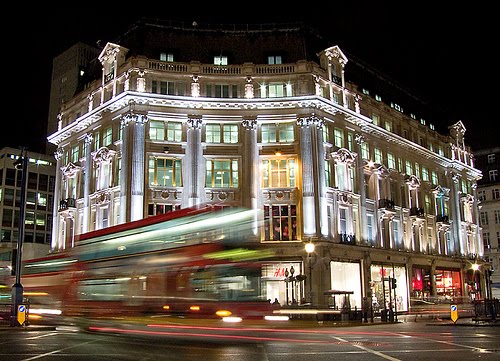
Central London (West End/Covent Garden/Soho)
-Walking around central London – Clubs, pubs, and surrounding restaurants (No specific set design as we want it all to look very natural)
Props
Grimsdyke Hotel (Sullivan Suite)
Jewellery box, money, fake drugs, alcohol bottles, voice recorder and suitcase.
Central London (West End/Covent Garden/Soho)
Alcohol/ Alcohol bottles, fake drugs.
Special Effects
No special Effects Required
Lighting
Grimsdyke Hotel (Sullivan Suite)
Bright lights so we are able to see every detail clearly, Put emphasis on Brooke’s situation ‘coming to light’.
Central London (West End/Covent Garden/Soho)
Natural lighting E.g.: Street lights and shop light – Mostly dim to keep the realism of nightlife
Use of colour
Grimsdyke Hotel (Sullivan Suite)
Rich reds, brown, and royal green to emphasize that Brooke is rich and is staying at a posh hotel, - In contrast to her, she is wearing all black to connote darkness, death and negativity.
Central London (West End/Covent Garden/Soho)
Different bright colours to show London’s nightlife, although when walking in the backs streets/alleys and park, dark colours and dull tones will be used to indicate the bad situations about to occur.
-Walking around central London – Clubs, pubs, and surrounding restaurants (No specific set design as we want it all to look very natural)
Props
Grimsdyke Hotel (Sullivan Suite)
Jewellery box, money, fake drugs, alcohol bottles, voice recorder and suitcase.
Central London (West End/Covent Garden/Soho)
Alcohol/ Alcohol bottles, fake drugs.
Special Effects
No special Effects Required
Lighting
Grimsdyke Hotel (Sullivan Suite)
Bright lights so we are able to see every detail clearly, Put emphasis on Brooke’s situation ‘coming to light’.
Central London (West End/Covent Garden/Soho)
Natural lighting E.g.: Street lights and shop light – Mostly dim to keep the realism of nightlife
Use of colour
Grimsdyke Hotel (Sullivan Suite)
Rich reds, brown, and royal green to emphasize that Brooke is rich and is staying at a posh hotel, - In contrast to her, she is wearing all black to connote darkness, death and negativity.
Central London (West End/Covent Garden/Soho)
Different bright colours to show London’s nightlife, although when walking in the backs streets/alleys and park, dark colours and dull tones will be used to indicate the bad situations about to occur.
Characterisation - Main Character
Name: Brooke Dalia Ellis
Age: 19
Ethnicity: Caucasian
Social Class: Middle Class
Gender: Female
Sexuality: Straight/Bi-sexual
Ability/Disability: Fully able (no disability)
Relationship Status: Single
Looks:
Tall (5’9)/ Brown hair/pale-olive skin/slender frame/ Blue eyes
Personality: Extrovert – Although due to the drugs she has become somewhat shy/ paranoid – emotional rollercoaster.
Costume/Hair/Male-up: Minimal make-up (Heavy Lashes, mascara and eye shadow)– perfectly styled hair – straight/wavy, costume – Short black dress, black tights, black high heels, black winter coat w/ black side-bag.
Representation Issues/ Background story
Stereotypical ‘Troubled’ teen, Thinks the world has turned its back on her and blames everything that goes wrong on herself, uses the drugs as a form of punishment and escape.
Her Parents divorced when she was 15, grew-up in a rich/well-off, but dysfunctional household, she is an only child, Once her parents had divorced her mother gained custardy for her, but then blamed her for the divorce, her father re-married and has another family of his own and wants nothing to do with her or her mother (mother is now an on-off alcoholic), The only contact her father has with her is through her bank-account, he sends her £2,000 a month – she gets to spend it on whatever she wants, One night when she was out with her friends, a guy introduced her to cocaine –She liked the buzz and the way it made everything ‘feel better’, she then tried various other drugs.
Name: Brooke Dalia Ellis
Age: 19
Ethnicity: Caucasian
Social Class: Middle Class
Gender: Female
Sexuality: Straight/Bi-sexual
Ability/Disability: Fully able (no disability)
Relationship Status: Single
Looks:
Tall (5’9)/ Brown hair/pale-olive skin/slender frame/ Blue eyes
Personality: Extrovert – Although due to the drugs she has become somewhat shy/ paranoid – emotional rollercoaster.
Costume/Hair/Male-up: Minimal make-up (Heavy Lashes, mascara and eye shadow)– perfectly styled hair – straight/wavy, costume – Short black dress, black tights, black high heels, black winter coat w/ black side-bag.
Representation Issues/ Background story
Stereotypical ‘Troubled’ teen, Thinks the world has turned its back on her and blames everything that goes wrong on herself, uses the drugs as a form of punishment and escape.
Her Parents divorced when she was 15, grew-up in a rich/well-off, but dysfunctional household, she is an only child, Once her parents had divorced her mother gained custardy for her, but then blamed her for the divorce, her father re-married and has another family of his own and wants nothing to do with her or her mother (mother is now an on-off alcoholic), The only contact her father has with her is through her bank-account, he sends her £2,000 a month – she gets to spend it on whatever she wants, One night when she was out with her friends, a guy introduced her to cocaine –She liked the buzz and the way it made everything ‘feel better’, she then tried various other drugs.
Tuesday, 9 November 2010
Proposal
Inspired by the fact that our target audience found music videos which consisted of a narrative or visual art more appealing (Our Statistics reveal that visual art was the most popular with narrative coming in second) – Surprisingly, as many of the big performers with mainstream music are more performance dominated, But through using the help of our questionnaire feedback I envisioned our song, ‘Blue foundation; Eyes on fire’, to consist of a multi-strand narrative so that the audience would have a lot to keep them engaged throughout the video, and use visual art throughout as well, which would help to make a statement.
Through my lyrics analysis, I decided that my narrative would be based around a young girl (Late teens), Battling a drug addiction, Her ongoing drug use causes her to end up with schizophrenia. Whilst injecting heroin and drinking vodka, she finds herself in a maze looking for someone, but she doesn’t know who yet – “I’ll seek you out”. As she turns each of the corners of the maze, she finds a different person in bad situations e.g.: crying, self mutilation, snorting coke, vomiting ect, after seeing all this she becomes severely disorientated (The streets – Blinded by the lights) and faints, when she wakes up she finds herself back where she originally was but with Polaroid’s of herself in all those bad situations instead of the other people she saw – (Brandy and Ray-j : Another day in paradise)

In the end the whole video rewinds, she looks at herself in the mirror, only to find she’s actually dead (Overdosed).
Location: In terms of location, I thought that we could use a house (someone’s bedroom) and Central London.
Camera Angles: I thought that most of the camera angels would be POV shots (The prodigy – smack my bitch up), this would enable us to really get inside the characters head and see what they are seeing. [ Canted angles – help enhance the feeling of disorientation ]
Character: Caucasian girl, late-teen – I’ve opted to use this character as it is a woman singing the lyrics and I feel that a female lead would compliment the song and I want her to be in her late teens because that the time when the most messed up stuff happens to people.
Time of day: Night – extenuate the vibe/feel of the video.
Which record label: Indie, as the music used is not mainstream and they are more likely to undertake a video idea such as this.
Inspired by the fact that our target audience found music videos which consisted of a narrative or visual art more appealing (Our Statistics reveal that visual art was the most popular with narrative coming in second) – Surprisingly, as many of the big performers with mainstream music are more performance dominated, But through using the help of our questionnaire feedback I envisioned our song, ‘Blue foundation; Eyes on fire’, to consist of a multi-strand narrative so that the audience would have a lot to keep them engaged throughout the video, and use visual art throughout as well, which would help to make a statement.
Through my lyrics analysis, I decided that my narrative would be based around a young girl (Late teens), Battling a drug addiction, Her ongoing drug use causes her to end up with schizophrenia. Whilst injecting heroin and drinking vodka, she finds herself in a maze looking for someone, but she doesn’t know who yet – “I’ll seek you out”. As she turns each of the corners of the maze, she finds a different person in bad situations e.g.: crying, self mutilation, snorting coke, vomiting ect, after seeing all this she becomes severely disorientated (The streets – Blinded by the lights) and faints, when she wakes up she finds herself back where she originally was but with Polaroid’s of herself in all those bad situations instead of the other people she saw – (Brandy and Ray-j : Another day in paradise)

In the end the whole video rewinds, she looks at herself in the mirror, only to find she’s actually dead (Overdosed).
Location: In terms of location, I thought that we could use a house (someone’s bedroom) and Central London.
Camera Angles: I thought that most of the camera angels would be POV shots (The prodigy – smack my bitch up), this would enable us to really get inside the characters head and see what they are seeing. [ Canted angles – help enhance the feeling of disorientation ]
Character: Caucasian girl, late-teen – I’ve opted to use this character as it is a woman singing the lyrics and I feel that a female lead would compliment the song and I want her to be in her late teens because that the time when the most messed up stuff happens to people.
Time of day: Night – extenuate the vibe/feel of the video.
Which record label: Indie, as the music used is not mainstream and they are more likely to undertake a video idea such as this.
In-depth interview
Name: Samira Ahmed

1) What is your favourite music genre and why? “I would have to say that my favourite music genre is R&b, I like it because I feel that no matter what mood I find myself in, I can always find a way to relate to it. I’m also very fond of it because it’s become very mainstream over the past decade and all of my friends listen to it as well, I enjoy the heavy beats and catchy tunes.” 2) What is your favourite music video and why? “My favourite music video at the moment would have to be ‘Chris Brown; Holla at me’, I like it because he has managed to performance and introduce a new style of dancing which is called ‘Jerkin’, And I think that’s it’s important for an artist to always be willing to show the public/ their fans new things.” 3) Are your familiar with the music genre ‘Dubstep’? If so, what ideas spring to mind? “Yes, I am slightly familiar with the Dubstep genre, I know that it’s a fairly new genre, I like the beats, but I don’t think that it’s something I would be able to listen to all of the time. I don’t have any particular ideas about it, but it’s ability to get everybody on the dance floor springs to mind.”
In-depth interview
Name: Hitesh Bhaji
 1) What is your favourite music genre and why? “My favourite music genre would have to be ‘Electronic’, because the crazy beats can always put me in a really good mood, even when I’m feeling down, I know that most people may not be fond of it, But I wish they would give it a chance, It would be amazing if one day Electronic was in the category of mainstream music” 2) What is your favourite music video and why? “My favourite music video of all time is ‘The prodigy; Smack my bitch up’, I absolutely love it because it causes so much controversy, I mean the fact that we think it’s a guy all throughout and then it turns out to be a woman is madness, I love the way it’s able to mess with the viewers head so much” 3) Are your familiar with the music genre ‘Dubstep’? If so, what ideas spring to mind? “Yeah, I like Dubstep music, it reminds me of electronic a bit, but then again most of it is a lot more dark, grimey and sinister, when I think of Dupstep the one thing I think of is a bunch of teenagers in a club scene raving to some intense beats”
Name: Samira Ahmed
1) What is your favourite music genre and why? “I would have to say that my favourite music genre is R&b, I like it because I feel that no matter what mood I find myself in, I can always find a way to relate to it. I’m also very fond of it because it’s become very mainstream over the past decade and all of my friends listen to it as well, I enjoy the heavy beats and catchy tunes.” 2) What is your favourite music video and why? “My favourite music video at the moment would have to be ‘Chris Brown; Holla at me’, I like it because he has managed to performance and introduce a new style of dancing which is called ‘Jerkin’, And I think that’s it’s important for an artist to always be willing to show the public/ their fans new things.” 3) Are your familiar with the music genre ‘Dubstep’? If so, what ideas spring to mind? “Yes, I am slightly familiar with the Dubstep genre, I know that it’s a fairly new genre, I like the beats, but I don’t think that it’s something I would be able to listen to all of the time. I don’t have any particular ideas about it, but it’s ability to get everybody on the dance floor springs to mind.”
In-depth interview
Name: Hitesh Bhaji
 1) What is your favourite music genre and why? “My favourite music genre would have to be ‘Electronic’, because the crazy beats can always put me in a really good mood, even when I’m feeling down, I know that most people may not be fond of it, But I wish they would give it a chance, It would be amazing if one day Electronic was in the category of mainstream music” 2) What is your favourite music video and why? “My favourite music video of all time is ‘The prodigy; Smack my bitch up’, I absolutely love it because it causes so much controversy, I mean the fact that we think it’s a guy all throughout and then it turns out to be a woman is madness, I love the way it’s able to mess with the viewers head so much” 3) Are your familiar with the music genre ‘Dubstep’? If so, what ideas spring to mind? “Yeah, I like Dubstep music, it reminds me of electronic a bit, but then again most of it is a lot more dark, grimey and sinister, when I think of Dupstep the one thing I think of is a bunch of teenagers in a club scene raving to some intense beats”
Subject matter research: Artist and song
Blue foundation
Blue foundation are a Danish ‘trip hop’ band who were founded in early 2000 by musician “Tobias Wilner”, Their trademark sound is said to be a mix of melodic dreamy pop, influenced by indietronica and shoegaze. They are said to have described their music as a “kind of folk music for modern people”. Influences; film noir, contemporary, alternative and classical. The group released their first 72 via (moshi-moshi, hot chip and block party) and their very first album (self titled) was released soon after. During their past 7 years on the music scene, the bands have expanded their target audience - now embracing the underground and alternative mainstream. The group’s third studio album titled “Life of a ghost”, was released in 2007 in Scandinavia. Much of their music has been featured in major films such as “Twilight, Miami vice, and the popular TV series The Vice”.
Members;
• Tobias Wilner aka Bichi (vocals, guitar, producer, composer)
• Kirstine Stubbe Teglbjærg (vocalist and songwriter)
• Bo Rande (producer, composer, trumpet)
• Scott Martingell aka MC Jabber (vocals, spoken word)
• Tatsuki Oshima(DJ and vinyl manipulator)
Studio albums
• Blue Foundation aka 33 (2001)
• Sweep of Days (2004)
• Solid Origami collected, reworked and remixed (2006)
• Life of a Ghost (2006)
Zeds Dead
Zeds dead are a ‘Electronica / Hardcore / Progressive’ duo who specialise in dubstep remixes, Originally based in Ontario, Canada, The unsigned duo have toured many countries including the Uk, spreading their dupstep expertise around the globe.
http://www.myspace.com/bluefoundationdenmark#ixzz12cdkQ5p2
Blue foundation – Eyes on fire (Zeds Dead Dupstep Remix) lyrics
I won’t soothe your pain
I won’t ease your strain
I’ll seek you out
Flay you alive
One more word and you won’t survive
And I’m not scared of your stolen power
See right through you any hour
I’ll seek [x6]
I’ll seek you out
Flay you alive
One more word and you won’t survive
And I’m not scared of your stolen power
See right through you any hour
I’ll seek [x4]
Seek
I’ll seek
Felling any foe with my gaze
Steadily emerging with grace
Lyric Analysis
Through analysing and studying these lyrics and using the help of other people’s analysis, I have come to the conclusions that they could be conveying the message of either one of three things.
Drugs (Narcotics) – “I won’t soothe your pain, I won’t ease your strain” – these lyrics connote that even though the drugs are being taken, in the end they won’t solve or help with any of the troubles she may be having, this could then be linked into an obsession or addiction, “stolen power”, she thinks that the drugs are giving her power, but in actual fact its stolen and won’t last for long. “I’ll seek” – these words could relate to her becoming addicted to the drugs and seeking them out, “steadily emerging with grace”, the drugs finally kill her.
Revenge – My next interpretation of the song was that, she may once have been in an abusive relationship and now she wants to get revenge on her ex-partner, or she may have been bullied and she wants to get revenge on those who put her down “I won’t soothe your pain
I won’t ease your strain” – she won’t make him/them feel better for his/their mistakes anymore, “And I’m not scared of your stolen power, See right through you any hour” – She’s not longer scared or belittled by the fake, powerful persona that they once portrayed, “I’ll seek you out, Flay you alive, One more word and you won’t survive” - This section is quite violent and may connote her getting ‘even’ with them.
Herself – My last interpretation of the song is that, she may in actual fact be her own worst enemy; she may have a split personality, this is causing her to fight with herself and find her true identity (may case her to goo slightly crazy) I’ll seek [x6] – The repeating of “I’ll seek” my indicate that she’s looking for who she used to be, “And I’m not scared of your stolen power, See right through you any hour” – she’s not scared of herself anymore, she wants to confront herself and is no longer frightened, “I won’t soothe your pain, I won’t ease your strain” – she doesn’t want to hurt anymore, she’s done with tending to all her wounds and anguish.
Research into Drugs, Revenge and Schizophrenia
Drugs
The word ‘drug’ is thought to originate from Old French "drogue", possibly deriving later into "droge-vate" from Middle Dutch meaning "dry barrels", referring to medicinal plants preserved in them. A drug, broadly speaking, is any substance that, when absorbed into the body of a living organism, alters normal bodily function. There is no single, precise definition, as there are different meanings in drug control law, government regulations, medicine, and colloquial usage.
Revenge (also known as vengeance) is a harmful action against a person or group as a response to a real or perceived grievance. Although many aspects of revenge resemble the concept of justice, revenge connotes a more injurious and punitive focus as opposed to a harmonious and restorative one. Whereas justice generally implies actions undertaken and supported by a legitimate judicial system, by a system of ethics, or on behalf of an ethical majority, revenge generally implies actions undertaken by an individual or narrowly defined group outside the boundaries of judicial or ethical conduct. The goal of revenge usually consists of forcing the perceived wrongdoer to suffer the same or greater pain than that which was originally inflicted.
Schizophrenia is a mental disorder characterized by a disintegration of the process of thinking and of emotional responsiveness. It most commonly manifests as auditory hallucinations, paranoid or bizarre delusions, or disorganized speech and thinking, and it is accompanied by significant social or occupational dysfunction. The onset of symptoms typically occurs in young adulthood, with a global lifetime prevalence of around 1.5%. Diagnosis is based on the patient's self-reported experiences and observed behavior. The disorder is thought mainly to affect cognition, but it also usually contributes to chronic problems with behavior and emotion. People with schizophrenia are likely to have
additional (comorbid) conditions, including major depression and anxiety disorders; the lifetime occurrence of substance abuse is around 40%. Social problems, such as long-term unemployment, poverty and homelessness, are common. Furthermore, the average life expectancy of people with the disorder is 10 to 12 years less than those without, due to increased physical health problems and a higher suicide rate (about 5%).

websites containg information/essays on the use of narcatics in music videos:
http://www.scenesmoking.org/research/SubstanceUseIinMusic.pdf
http://scholarworks.sjsu.edu/cgi/viewcontent.cgi?article=4650&context=etd_theses
Sunday, 7 November 2010
Target Audience Research - Example of the Questionnaire
Questionnaire – Music Videos
1) Are you
[ ] Male [ ] Female
2) Which age group are you within?
[ ] -15 [ ] 16-24 [ ] 25-30 [ ]31-40 [ ] 41+
3) What race are you?
[ ] White [ ] Black [ ] Asian [ ] Mixed (please specify) …………...
[ ] Prefer not to say [ ] Other (please specify) …………...
4) What is currently your favourite music video?
Song - …………………………………………..
Artist - …………………………………………..
Genre - …………………………………………
5) What are your favourite aspects of a music video do you enjoy?
[ ] The Performance [ ] A Narrative [ ] A Concept
[ ] Visual Art/Abstract [ ] CGI/Animation
[ ] Something we did not mention (please specify) …………………………..
6) What are your favourite music genres?
[ ] Hip-hop [ ] R&B [ ] Rock [ ] Soft Rock
[ ] Acoustic [ ] Folk [ ] Electronic [ ]House
[ ] Garage [ ] Dubstep [ ] Drum and bass [ ] Pop
[ ] A genre that was not mentioned (please specify) …………………………
7) Has a music video ever changed your opinion of a song, in either a positive or negative way?
[ ] Yes Positively [ ] No Positively [ ] Depends on the genre
[ ] Yes Negatively [ ] No Negatively
8) Do you watch music videos music videos made by independent/unsigned artists?
[ ] Yes [ ] No [ ] Don’t know
9) Which do you prefer a music video to be shot in?
[ ] Interior studio [ ] External location
[ ] Mixture [ ] Doesn’t matter
10) Do you feel that a music genre should stick to particular music video styles and stereotypes?
[ ] Yes [ ] No
1) Are you
[ ] Male [ ] Female
2) Which age group are you within?
[ ] -15 [ ] 16-24 [ ] 25-30 [ ]31-40 [ ] 41+
3) What race are you?
[ ] White [ ] Black [ ] Asian [ ] Mixed (please specify) …………...
[ ] Prefer not to say [ ] Other (please specify) …………...
4) What is currently your favourite music video?
Song - …………………………………………..
Artist - …………………………………………..
Genre - …………………………………………
5) What are your favourite aspects of a music video do you enjoy?
[ ] The Performance [ ] A Narrative [ ] A Concept
[ ] Visual Art/Abstract [ ] CGI/Animation
[ ] Something we did not mention (please specify) …………………………..
6) What are your favourite music genres?
[ ] Hip-hop [ ] R&B [ ] Rock [ ] Soft Rock
[ ] Acoustic [ ] Folk [ ] Electronic [ ]House
[ ] Garage [ ] Dubstep [ ] Drum and bass [ ] Pop
[ ] A genre that was not mentioned (please specify) …………………………
7) Has a music video ever changed your opinion of a song, in either a positive or negative way?
[ ] Yes Positively [ ] No Positively [ ] Depends on the genre
[ ] Yes Negatively [ ] No Negatively
8) Do you watch music videos music videos made by independent/unsigned artists?
[ ] Yes [ ] No [ ] Don’t know
9) Which do you prefer a music video to be shot in?
[ ] Interior studio [ ] External location
[ ] Mixture [ ] Doesn’t matter
10) Do you feel that a music genre should stick to particular music video styles and stereotypes?
[ ] Yes [ ] No
Thursday, 4 November 2010
Music Video Textual Analysis: Skepta – Bad boy.
The urban grime artist ‘Skepta’ is a British Mc From Tottenham, London and managing director of grime label ‘Boy Better Know’. The single ‘Bad boy’ was released in 2010 from his album ‘Doin’ It Again’. I believe that this song is popular for its glorification of the new-age male archetype, As he portrays himself as a ‘Bad boy/ Rude boy/ playa’ who disregards the feelings of his female counterpart and goes out partying, For the younger generation, this is what some of the boys aspire to be, as they find it ‘kool’.
The video begins, and within the establishing shot we are able to see skepta’s back with a large tattoo reading ‘SKEPTA’ and to his left we can see a pretty woman who is very well dressed (Throughout the video we see the woman wearing the colour black, this may be connoting her feeling of sadness and neglect), serving him breakfast on a ‘sliver platter’, This implies that he always get what he wants, derived from the saying “served on a silver platter”, The fact that Skepta’s back is the first thing that is shown to us may signify that he thinks he’s too important and the fact that his own name is across his back reinforces to us that he thinks extremely highly of himself.
Skepta takes the platter but places it aside and carries on with what he was previously doing, whilst this is happening, the woman, whom we assume by now to be his girlfriend is on the other side of the bed looking quite rejected as he plays on his phone, this tells us that he is more interested in other things rather than her, we see the shot end with a close-up on her face revealing her ‘hurt; expression.
The next shot captures a traditional couples scene, in which the man is getting ready to go out somewhere and the woman is watching him adoringly whilst helping to do up his tie, throughout this, he is wearing a slightly nonchalant expression and when he is finished, she leans in for a kiss on the lips, only to be greeted by a friendly kiss on the cheek, implying that she thinks more of their relationship than he does.
The next few shots are cut between Skepta at a party, looking well dressed with a shirt, trousers tie and sunglasses, the sunglasses and Gucci tie/belt, almost exaggerate that he’s a ‘star. with all of his friends and associates and his girlfriends looks of disbelief, another shot is also introduced, in which Skepta is dressed very casually and rapping the lyrics directly to the camera, he is wearing blue which shows off his sense of calm and self assurance.
We then see her looking at herself in the mirror with a contemplative expression, she may be having self doubt or not feeling adequate enough, she then pulls out a series of different dresses which she put against herself, and ends up choosing another black one, we then see a slow motion/panning shot of all the people at the party having a good time, this contrasts to the girl at home not having such a great time.
Next, Skepta’s girlfriend is wearing a new black dress and chopping peppers to make dinner, once dinner is made, she is sitting all alone drinking a glass of rosé wine waiting for her boyfriend to come home; We can see that the woman here is playing a very stereotypical role, she’s cooking, cleaning, and pining over her boyfriend who is having far too much fun out with his friends to come home, another thing which connotes femininity is the fact that she is drinking rosé, when men are having a hard time or are upset, we usually see them opting for a stronger drink such as whiskey or vodka, but to make the woman seem weaker, she is given wine to drink.
Nearing the end of the video the audience learns that Skepta is actually out celebrating his birthday, as one of the girls in the party brings him a cake with sparklers on it, whilst his girlfriend is at home with a cake blowing out the candle by herself because she gives up on waiting for him to come home.
As Skepta takes a seat in the party, we are introduced to some other well known ‘stars’ in the London urban music scene, such as Tinie Tempah And Jme, A girl in a orange dress who looks quite different from his girlfriend at home starts to flirt with him and he reciprocates, Although just as we think something between the two may go further, Skepta gets a text message on his phone, which the audience do not get to read, and kisses the ‘new girl’ on the cheek and then makes his way home to find his girlfriend asleep on the couch, he sees the birthday cake and a ring, as his girlfriend wake up, she seems happy to see him and looks at him lovingly.
She told me that I talk nonsense
she said I never boost her confidence
she came home wearing a brand new dress
but I never gave her a compliment
no emotion no attention
she wants me to pop the question
but I never said a word
not even a mention
(Chorus) that´s why they call me a bad boy
they call me a bad boy
they call me a bad (x4)
they call me a bad boy
I know she knows I know she aint the one
she calls me every name under the sun
Wasteman lazy she´s mad; she´s crazy
she aint the girl that you wanna lie to
but like a fool one day I still try to
like I never forgot your birthday
I was just trying to surprise you
she told me that I talk nonsense
she said I never boost her confidence
she came home wearing a brand new dress
but I never gave her a compliment
no emotion no attention
she wants me to pop the question
but I never said a word
not even a mention
(Chorus)
I know you´re buff I know you´re pretty
but listen up honey I´m not Billy
you´re too deep in love
you need to jump out the water like free willy
cos all you do is just moan and complain
it was all good when your friend came
but any time my friends wanna come around
you start going insane in the membrane
she told me that I talk nonsense
she said I never boost her confidence
she came home wearing a brand new dress
but I never gave her a compliment
no emotion no attention
she wants me to pop the question
but I never said a word
not even a mention
(Chorus)
Overall, I believe that the narrative and visuals compliment the lyrics very well and all marry together to make a great music video.
The urban grime artist ‘Skepta’ is a British Mc From Tottenham, London and managing director of grime label ‘Boy Better Know’. The single ‘Bad boy’ was released in 2010 from his album ‘Doin’ It Again’. I believe that this song is popular for its glorification of the new-age male archetype, As he portrays himself as a ‘Bad boy/ Rude boy/ playa’ who disregards the feelings of his female counterpart and goes out partying, For the younger generation, this is what some of the boys aspire to be, as they find it ‘kool’.
The video begins, and within the establishing shot we are able to see skepta’s back with a large tattoo reading ‘SKEPTA’ and to his left we can see a pretty woman who is very well dressed (Throughout the video we see the woman wearing the colour black, this may be connoting her feeling of sadness and neglect), serving him breakfast on a ‘sliver platter’, This implies that he always get what he wants, derived from the saying “served on a silver platter”, The fact that Skepta’s back is the first thing that is shown to us may signify that he thinks he’s too important and the fact that his own name is across his back reinforces to us that he thinks extremely highly of himself.
Skepta takes the platter but places it aside and carries on with what he was previously doing, whilst this is happening, the woman, whom we assume by now to be his girlfriend is on the other side of the bed looking quite rejected as he plays on his phone, this tells us that he is more interested in other things rather than her, we see the shot end with a close-up on her face revealing her ‘hurt; expression.
The next shot captures a traditional couples scene, in which the man is getting ready to go out somewhere and the woman is watching him adoringly whilst helping to do up his tie, throughout this, he is wearing a slightly nonchalant expression and when he is finished, she leans in for a kiss on the lips, only to be greeted by a friendly kiss on the cheek, implying that she thinks more of their relationship than he does.
The next few shots are cut between Skepta at a party, looking well dressed with a shirt, trousers tie and sunglasses, the sunglasses and Gucci tie/belt, almost exaggerate that he’s a ‘star. with all of his friends and associates and his girlfriends looks of disbelief, another shot is also introduced, in which Skepta is dressed very casually and rapping the lyrics directly to the camera, he is wearing blue which shows off his sense of calm and self assurance.
We then see her looking at herself in the mirror with a contemplative expression, she may be having self doubt or not feeling adequate enough, she then pulls out a series of different dresses which she put against herself, and ends up choosing another black one, we then see a slow motion/panning shot of all the people at the party having a good time, this contrasts to the girl at home not having such a great time.
Next, Skepta’s girlfriend is wearing a new black dress and chopping peppers to make dinner, once dinner is made, she is sitting all alone drinking a glass of rosé wine waiting for her boyfriend to come home; We can see that the woman here is playing a very stereotypical role, she’s cooking, cleaning, and pining over her boyfriend who is having far too much fun out with his friends to come home, another thing which connotes femininity is the fact that she is drinking rosé, when men are having a hard time or are upset, we usually see them opting for a stronger drink such as whiskey or vodka, but to make the woman seem weaker, she is given wine to drink.
Nearing the end of the video the audience learns that Skepta is actually out celebrating his birthday, as one of the girls in the party brings him a cake with sparklers on it, whilst his girlfriend is at home with a cake blowing out the candle by herself because she gives up on waiting for him to come home.
As Skepta takes a seat in the party, we are introduced to some other well known ‘stars’ in the London urban music scene, such as Tinie Tempah And Jme, A girl in a orange dress who looks quite different from his girlfriend at home starts to flirt with him and he reciprocates, Although just as we think something between the two may go further, Skepta gets a text message on his phone, which the audience do not get to read, and kisses the ‘new girl’ on the cheek and then makes his way home to find his girlfriend asleep on the couch, he sees the birthday cake and a ring, as his girlfriend wake up, she seems happy to see him and looks at him lovingly.
She told me that I talk nonsense
she said I never boost her confidence
she came home wearing a brand new dress
but I never gave her a compliment
no emotion no attention
she wants me to pop the question
but I never said a word
not even a mention
(Chorus) that´s why they call me a bad boy
they call me a bad boy
they call me a bad (x4)
they call me a bad boy
I know she knows I know she aint the one
she calls me every name under the sun
Wasteman lazy she´s mad; she´s crazy
she aint the girl that you wanna lie to
but like a fool one day I still try to
like I never forgot your birthday
I was just trying to surprise you
she told me that I talk nonsense
she said I never boost her confidence
she came home wearing a brand new dress
but I never gave her a compliment
no emotion no attention
she wants me to pop the question
but I never said a word
not even a mention
(Chorus)
I know you´re buff I know you´re pretty
but listen up honey I´m not Billy
you´re too deep in love
you need to jump out the water like free willy
cos all you do is just moan and complain
it was all good when your friend came
but any time my friends wanna come around
you start going insane in the membrane
she told me that I talk nonsense
she said I never boost her confidence
she came home wearing a brand new dress
but I never gave her a compliment
no emotion no attention
she wants me to pop the question
but I never said a word
not even a mention
(Chorus)
Overall, I believe that the narrative and visuals compliment the lyrics very well and all marry together to make a great music video.
Subscribe to:
Posts (Atom)